In a Moment
Posted on March 11, 2013 Leave a Comment
Before March 11, 2013 comes to a close in Japan in a few moments, I wanted to post a quick message. I spent today — the second anniversary of the great earthquake and tsunami that struck the northeast coast of Japan — at work completing my normal duties.
But I was followed by a dark shadow, remembering the thousands of lives lost in a single moment, and the many thousands more still coping with pain, disaster and loneliness.
I’ve probably posted this before, but I’m once again reminded of a column the great Chicago journalist Mike Royko wrote after the sudden death of his wife Carol. Normally boisterous and unapologetic, Royko wrote so tenderly of sudden loss and death this time.
“I could go on, but it’s too personal. And I’m afraid that it hurts. Simply put, she was the best person I ever knew. And while the phrase “his better half” is a cliche, with us it was a truth.
Anyway, I’ll be back. And soon, I hope, because I miss you, too, my friends.
In the meantime, do her and me a favor. If there’s someone you love but haven’t said so in a while, say it now. Always, always, say it now.”
My Second Year in Japan – A Photo Essay
Posted on January 17, 2013 2 Comments
Per my blogging tradition, below is a collection of 12 photos representing my 2012. In general, it was a good year, but also a challenging and emotional one, where I said many goodbyes, changed jobs and moved to a different part of Japan. I wish everyone a very prosperous and healthy 2013. あけましておめでとうございます!
JANUARY

Toyama is a part of Japan’s 雪国(snow country) and the winter brings days and nights of endless snow. This is a picture of a frozen window at Hayatsuki Junior High School, where I worked as an ALT for two years until July. I love the imprints from my students’ fingerprints.
FEBRUARY

One of my favorite places in the Toyama region is Gokayama, a small village tucked away in the mountains full of “gassho” style homes. These traditional houses are all built with a steep thatched roof said to resemble clasping praying hands (and protecting the homes from the heavy snowfall). On certain nights in the winter, the village is lit up with candles, creating a mystical winter wonderland for everyone to walk around and appreciate the beauty winter brings.
MARCH

Now I know what it feels like to get married! (Sort of). 雛祭り, or hinamatsuri/Doll’s Festival, is celebrated every year in Japan on March 3. On this day, people pray for young girls’ growth and happiness. Several dolls dressed in traditional Heian period clothing, representing the emperor, empress and their court, are often put on display. I was asked to dress up like a doll with my friend Jon, a fellow ALT in Toyama-ken. We walked around the festival greeting people and taking pictures as if we were the emperor and empress! 楽しかったですよ!
APRIL
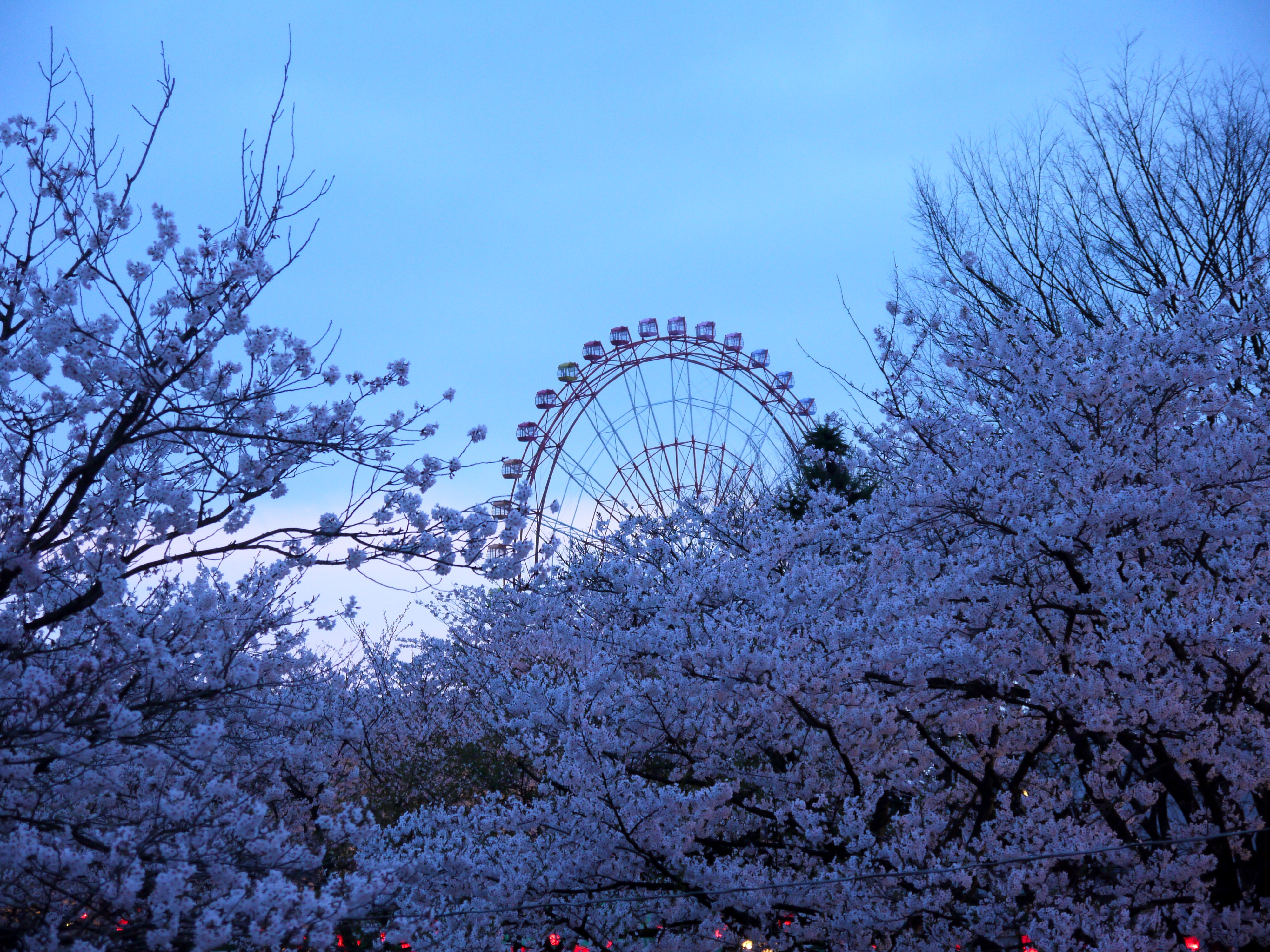
No year in Japan is complete without seeing sakura, or cherry blossom trees. In late April, my friend Jenson and I biked to a park bordering Uozu and Namerikawa for the first time just as dusk was approaching. The blossoming sakuras and lit lanterns created a magical, very peaceful, atmosphere – a welcome gift after a long winter.
MAY
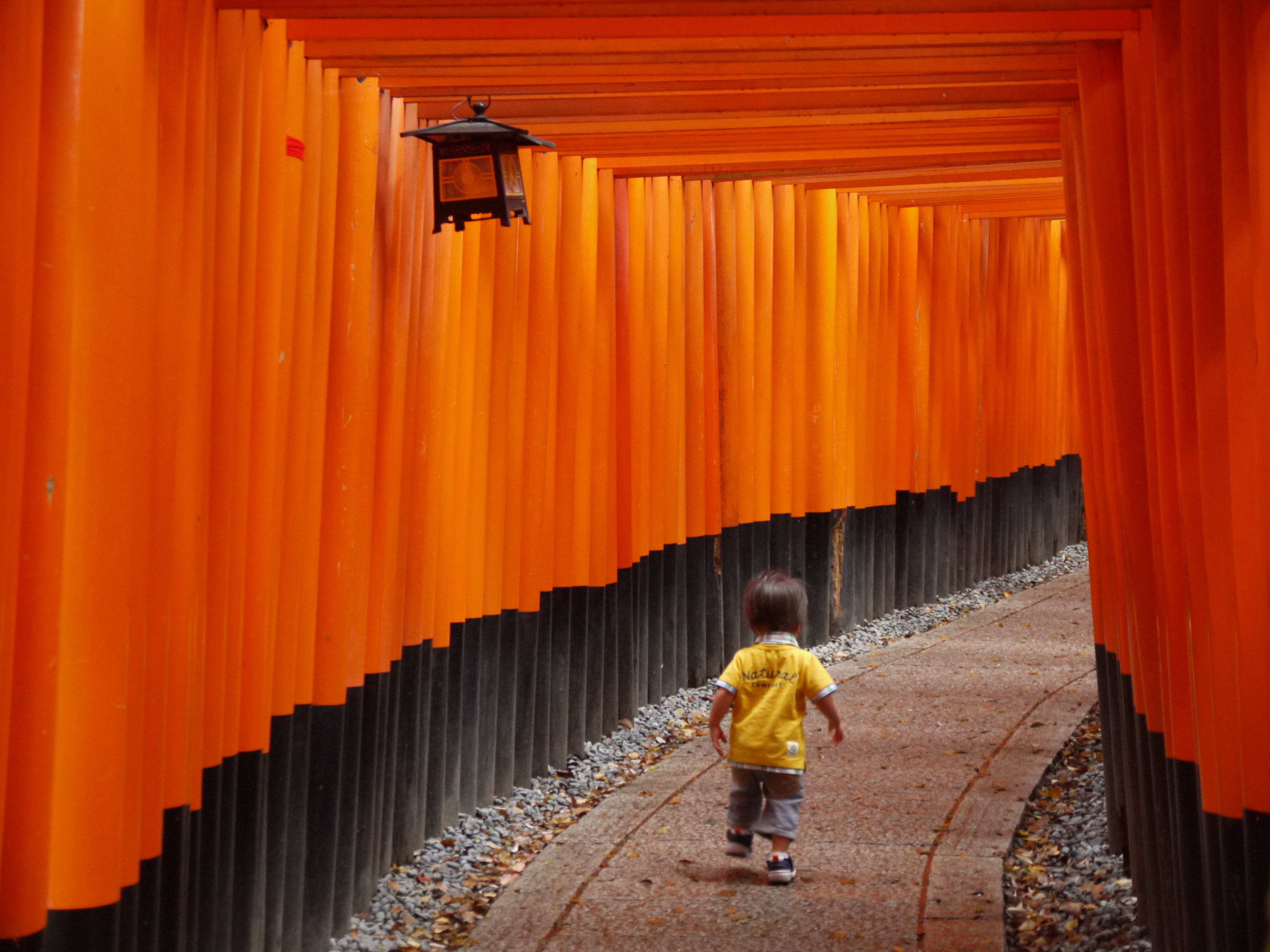
My sister and two friends came to Japan during Golden Week, so I spent my spring vacation showing them around several “must-see” areas of Japan, including Tokyo, Kyoto and of course, my former stomping ground Toyama. My sister and I both snapped a picture of this young boy running gleefully through Kyoto’s Fushimi-Inari Shrine, one of my favorite places in Kyoto. かわいいですね。
JUNE

I finally saw a geisha (or a woman dressed as a geisha). I love the stare this woman is giving to the person next to her. I saw her at the Kanazawa Hyakumangoku festival.
JULY

I spent my July saying goodbye to Namerikawa, the seaside town I lived in for two years. I took this picture while biking home from one of my elementary schools, likely teary-eyed at the thought of leaving the view of the Tateyama Mountain Range and open freedom of seeing rice fields upon rice fields.
AUGUST

I spent most of my August in Hiroshima, studying at Hiroshima City University as part of the Hiroshima & Peace Program. On August 6, the 67th anniversary of the atomic bombing, thousands of people gathered along the riverfront and set afloat paper lanterns in memory of ancestors, friends, and other loved ones lost – not only on that fateful day, but in wars and tragedies across many nations. I lit one in honor of all those who lost their lives in war, as well as my paternal grandmother, whose life story inspired me to apply for the program.
SEPTEMBER

I moved to Matsuyama on Japan’s Shikoku Island in late August for a new job. Matsuyama is the largest city in the otherwise rural Ehime Prefecture, and like Toyama, a kind of hidden gem in Japan. This is a view of the city from the top of a hill in Dogo Park.
OCTOBER
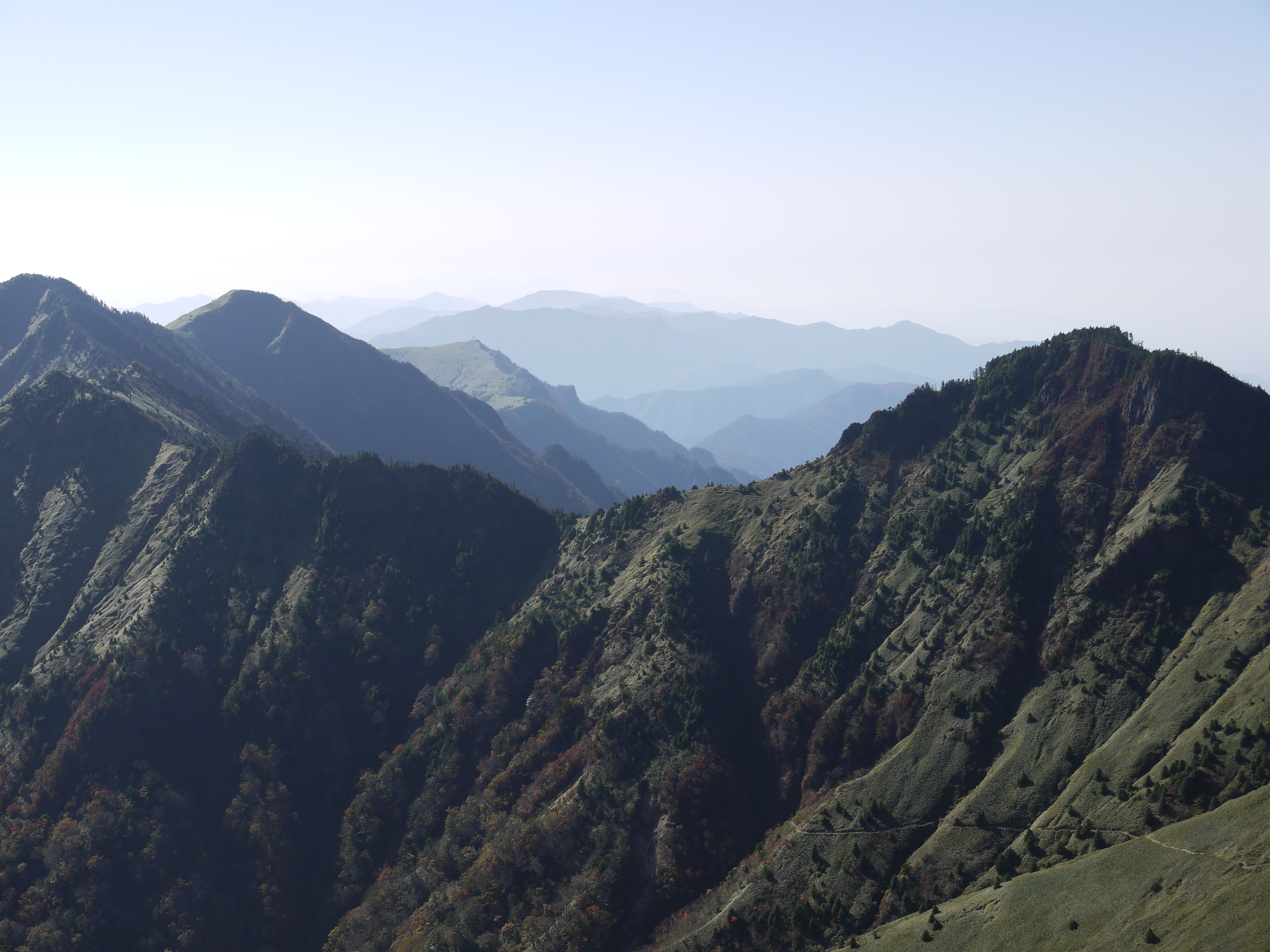
Mt. Ishizuchi, in Ehime, is the tallest mountain in western Japan. I climbed it with a group of my adult students on a lovely October day. The rugged landscape from the top was awe-inspiring, and made me want to climb many more mountains before I leave Japan.
NOVEMBER

Shimonada Station in Iyo City, Ehime, is the said to be the closest train station to the ocean in Japan. One of my adult students, who told me this is his favorite place in Japan, took me here on a fall day to photograph the sunset.
DECEMBER
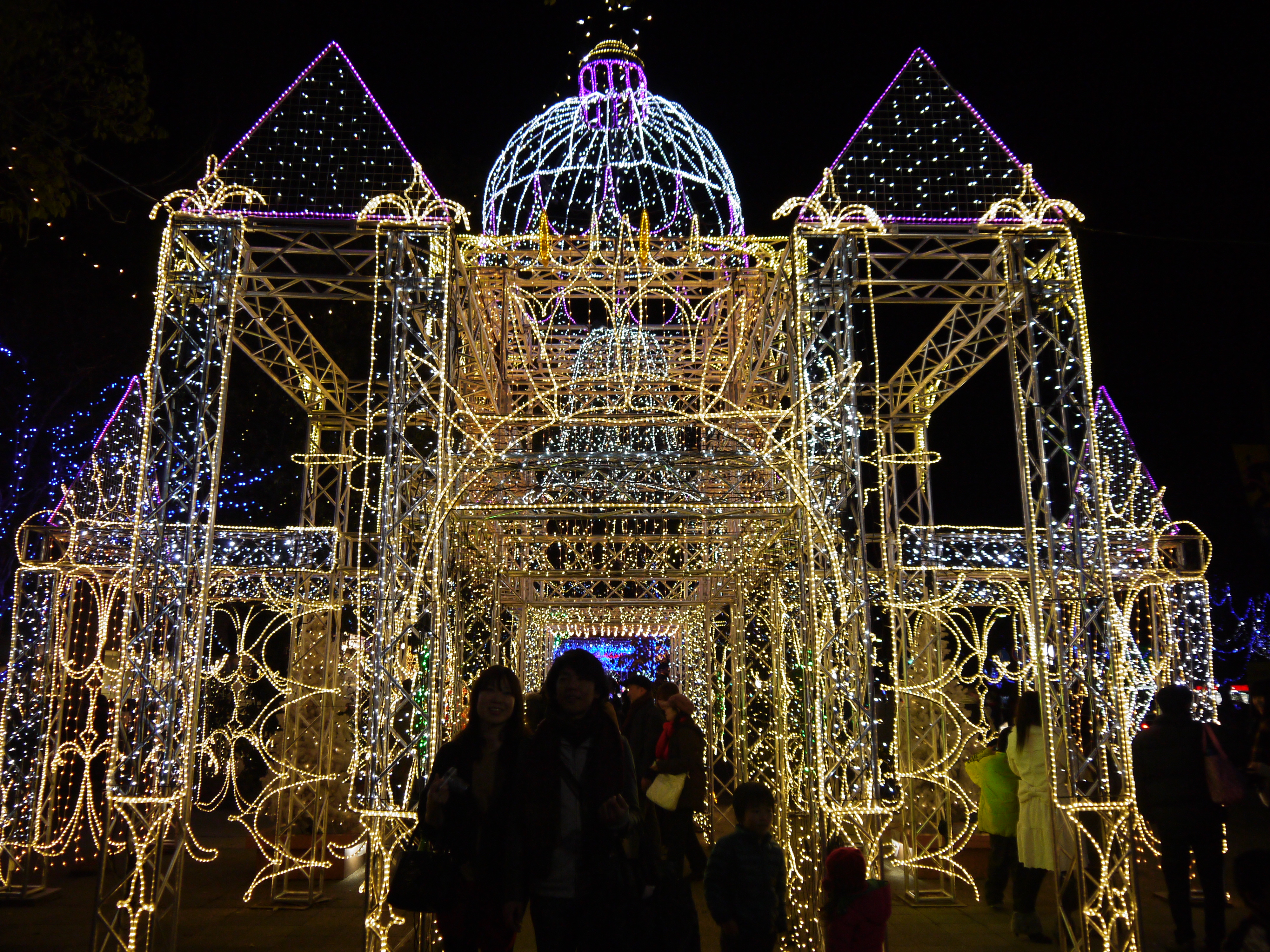
The holidays are sometimes the times when I feel homesick the most. I haven’t been home for a family Christmas in three years, and I miss my mother’s home-cooking and all the other comfort that comes with being around family. Thankfully, this year, I spent a day with my summer host family in Hiroshima. We walked around Hiroshima Dreamination, a spectacular collection of illuminations that recreates a fairytale world for children and adults.
Train Stories #10: The Girl Who Looked Up
Posted on December 19, 2012 Leave a Comment

The Girl Who Looked Up
With a challenging new job and new city in Japan to establish myself in, it’s been a tough few months. I like many things about Matsuyama City and Shikoku, but some days, I find myself thinking about Toyama and all that I left behind ( friends, people who I genuinely loved, a good job where I was respected). There are days when I think the people in Namerikawa, the seaside town I lived in for two years, were simply nicer (though I’ve met great people in both places). It seems Toyama residents smiled at me more, asked about my life and were sincerely concerned if I felt sick. They also talked to me on trains more.
Most days and nights in Matsuyama, I’m alone in my apartment after work with too much to think about, sometimes cursing myself for perhaps making a poor career decision and sometimes cursing a country that I love but also find so frustrating.
So when a young girl who was no older than eight looked at me on the train one Saturday evening after work, I was somewhat surprised. With innocent brown eyes and a pink book bag, the young girl smiled at me as everyone else stayed in their own world. Suddenly, any contempt I felt for my new situation melted. Something in her eyes spoke to me, seemingly saying, “I will speak English well someday, so I can talk to people like you.” I thought of my young students, some of whom can be really challenging but others of whom I feel privileged to teach. They try so hard after a full day of school to speak a foreign language very different from their mother tongue. At their age, I couldn’t even tell you how to say hello in Japanese, or any other language besides French or Spanish perhaps.
I was a little worried for the girl because she was on the train without a parent or friends, but it’s surprisingly common for young children to take trains alone in Japan, probably due to the fact that crime rates are extraordinarily low here. Still, I felt a little sorry for her and smiled back at her. She looked down as if she was a little embarrassed, but I could see the faint trace of a smile beginning to form under her cheeks.
I walked back to my apartment alone, feeling lucky to have taken the risk of moving to Japan to teach for a few years. I don’t think I want to be an English teacher in Japan for much longer, but these little experiences always make it worthwhile.
My New Home
Posted on October 10, 2012 Leave a Comment
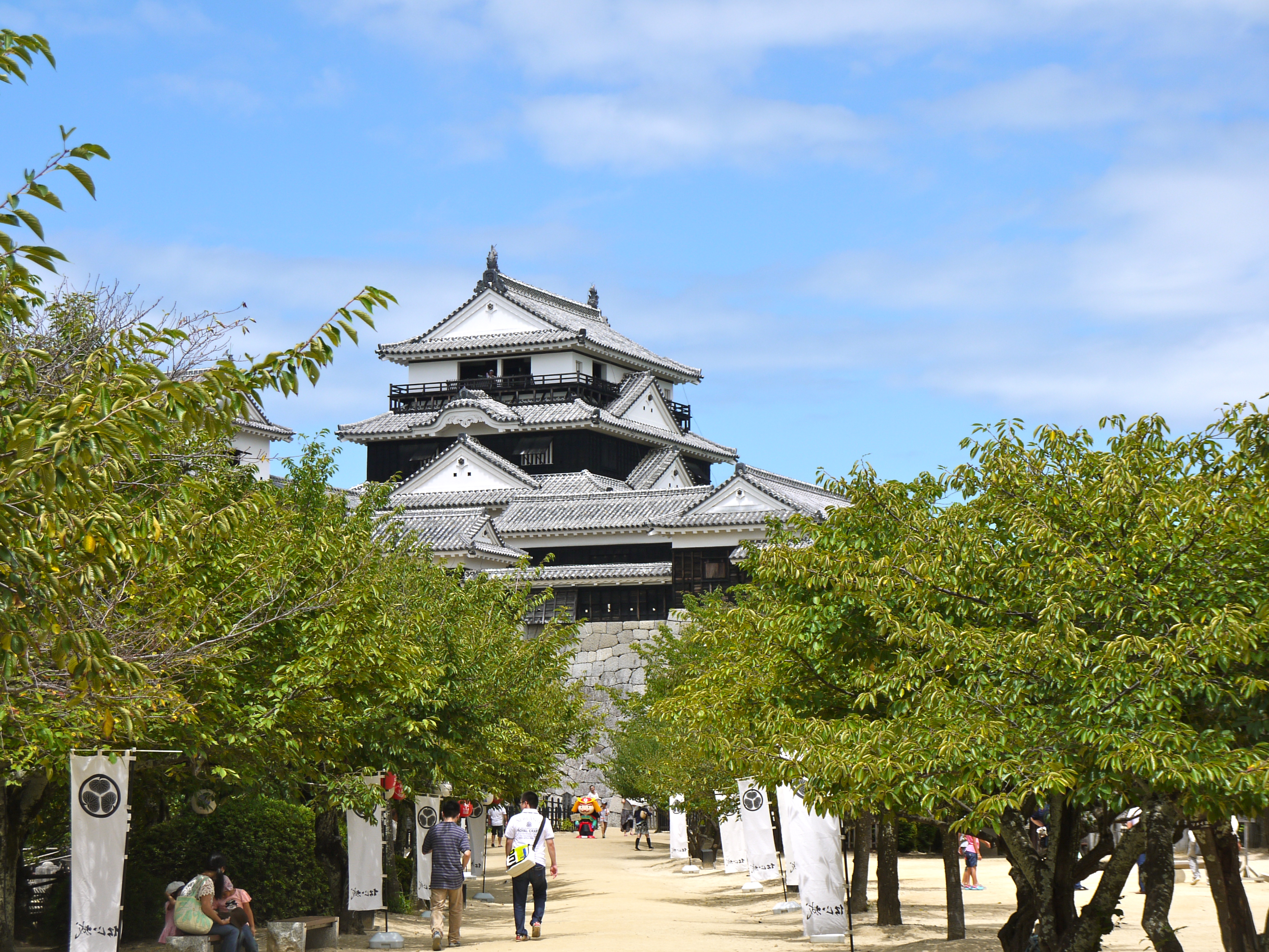
For the next year, I will call Matsuyama City, on Japan’s Shikoku Island, home. One of the city’s main attractions is Matsuyama Castle, which is often considered one of Japan’s most beautiful original castles. Constructed in the early 17th Century, the castle sits a top of a large hill, offering serene views of Matsuyama City on clear days. I’m still getting used to life in Shikoku, the smallest of Japan’s four main islands, but I hope to share many more stories in the months to come. I’ll also be blogging about the English language at my company’s English Website, 1 Point.
Top 3 Reasons the JET Program is Worthwhile
Posted on August 4, 2012 2 Comments
This article is the second in a series of reflections about my time spent in Japan with the JET Program. You can read my first article, about how the JET Program changed me, here.
Top 3 Reasons the JET Program is Worthwhile

ALTs participating in the annual Toyama JET Fest, a large event that allows JETs to share their culture with the people of Toyama prefecture.
The JET Program occasionally comes under scrutiny – both from officials in Japan worried about shrinking budgets in schools nationwide and also foreigners who like to pontificate about the state of English education in Japan. A constructive debate is always healthy, and the JET Program certainly is not without its flaws, but I generally have only positive things to say about my two years teaching with the program. Here’s why I hope the JET Program remains strong and active for many, many more years to come.
1) Grassroots Internationalization – Japan’s population continues to decline at alarming levels, and among the hardest hit are rural communities, where most JETs are placed. There are fewer and fewer job opportunities in areas of Japan far from the major metropolises of Tokyo, Yokohama, Osaka and Nagoya, so many times, being a JET means being the only foreigner, or one of a handful, in your community. Yes, it gets annoying to be stared at and constantly judged for what I am buying at the supermarket or how I am cutting a kiwi, but living here and exposing Japanese people to foreign cultures is a form of grassroots internationalization, one of the goals of the JET Program. Every time I visit one of my four elementary schools, despite having lived in my town for two years, there is always a young student whose jaw drops at the sight of me – someone who looks different from anyone they have ever seen around them or on TV. In my younger classes at elementary school, I’m often asked for my autograph after a lesson. I’m not in love with all aspects of my job, but I’m proud that I’ve worked to promote the English language and have hopefully inspired some of my students to travel and learn more about other cultures.
2) You Meet People from Around the World – What is the capital of Trinidad & Tobago? And more importantly, can you find the country on a map? I live in Japan, but thanks to the JET Program, I have met fellow JETs in my prefecture from Jamaica, Trinidad & Tobago, South Africa, Brazil, Canada, Korea, Russia, New Zealand, Australia, England, Ireland and Northern Ireland. One of my closest friends is from Trinidad & Tobago and whereas two years ago I could barely point to his country on map, I now know its capital (Port of Spain) and have heard much more Trini dialect than I would like to admit.
3) There is a Strong Alumni Network – There are about 55,000 JET alumni scattered around the world. After you successfully complete your tenure with JET, you can register to be part of the JET Program Alumni Association (JETAA), which has chapters around the world. JET alumni often are active members in their current community and many continue to promote Japan-America (or their home country) relations through various endeavors and volunteer activities. I am looking forward to joining the Chicago chapter of JETAA upon my return to the States. One of the most comprehensive Websites about JET alumni is JETWit.com, which posts interesting articles about unique things JET alumni are doing around the world as well as useful job hints for those transitioning to another career.
 Sheila Burt